

Visible blood in your urine
(pink, red, or brown discoloration)
Microscopic hematuria is found in up to 21% of adults during routine urine testing, and although many cases are benign, around 5% to 10% may be linked to a urologic cancer, especially in higher-risk individuals.
Hematuria refers to the presence of blood in the urine. It can be visible to the eye (gross hematuria) or only detected under a microscope (microscopic hematuria). While it’s not always a sign of a serious condition, hematuria should NEVER be ignored.
Hematuria can result from a variety of conditions, including:
Even if you aren’t experiencing pain or other symptoms, hematuria can be an early sign of a serious issue. Contact a healthcare provider if you experience:
Visible blood in your urine
(pink, red, or brown discoloration)

Back or side pain
especially if it’s severe or comes with fever or chills
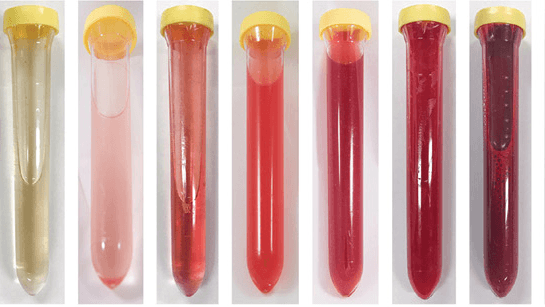
Sudden changes in urine color
with no clear explanation

Burning or discomfort
when urinating

Repeated urinary tract infections

Unexplained fatigue, weight loss, or swelling
Depending on your age, risk factors, and symptoms, we may recommend:
Urinalysis and Urine Culture
To check for infection, inflammation, or abnormal cells.
Imaging
An ultrasound, CT scan, or MRI may be used to look at your kidneys, bladder, and urinary tract.
Cystoscopy
A quick, in-office procedure using a small camera to look inside the bladder and urethra.
These tests help us rule out serious causes like stones, infections, or even urologic cancers — many of which can be silent early on.
We’ll guide you through each step and tailor the evaluation to your needs.
Urologic cancers — including bladder, kidney, and upper tract cancers — can be difficult to detect in their early stages. One of the most important warning signs is hematuria, or blood in the urine.
We’re excited to share a new, non-invasive test currently under clinical investigation that may significantly improve how we evaluate hematuria for signs of these cancers. While the specifics remain confidential due to its clinical trial status, this test has the potential to:
In this video, Dr. Kella explains how this test fits into the evaluation of hematuria and why it may be a game-changer in detecting urologic cancers
Tell us a bit about what you’re looking for and our team will reach out shortly.